
Does an old roof always need replacing?
No. Age contributes to the decision, but extent of wear, damage, repair history and the condition of the materials determine whether repair or replacement is appropriate.
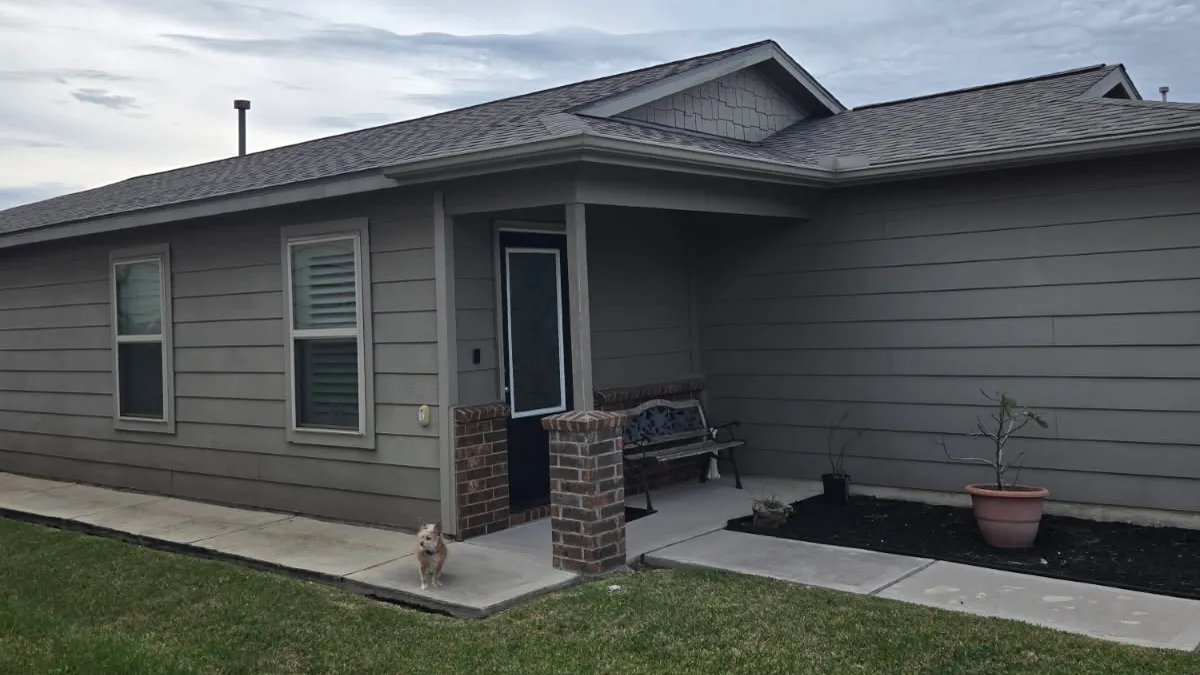
Residential roof replacement in Baytown starts with knowing whether your roof needs replacing and what the job should include. Understand the materials, hidden decking work and quote differences before you commit. Request a free inspection for your home.
A roof with widespread wear, damage in several areas or a growing history of repairs may be a better candidate for replacement than another patch. Renewing the covering together can address problems that a series of small repairs would leave behind. The important question is what condition your roof is in, rather than whether it has reached a particular age.
A leak around one flashing detail on an otherwise sound roof can call for a smaller repair. Even if you replace the covering, the work still needs to address the entry point and the connection to any adjoining wall. Tell us where leaks have appeared and which repairs have already been tried. That history helps distinguish a stubborn local problem from wear across the roof.
A residential roof can include the main house, an attached garage, porch extensions and roof sections with different slopes. A proposal should identify the areas being replaced and any areas staying in place. A small low-slope addition can require a different covering from the steeper main roof, so a single broad material description may not describe every section.
This is also the time to distinguish exterior roofing work from interior repairs. Replacing a covering and repairing a stained ceiling are different tasks. Identify each desired outcome early so the proposal makes clear what is included, what is excluded and whether other work needs separate coordination. See the replacement component guide for the system details behind the scope.
A tear-off removes the old covering so the underlying deck and details can be evaluated. That access matters because the surface view cannot establish the condition of every concealed panel or fastening location. An overlay retains the existing covering and creates a different set of conditions, limitations and code questions.
The useful comparison is the actual work and substrate access, not simply which option sounds faster. The tear-off versus overlay guide explains the distinction. Your proposal should state the removal scope and number of existing layers being handled, along with disposal and any conditions that could change those items.
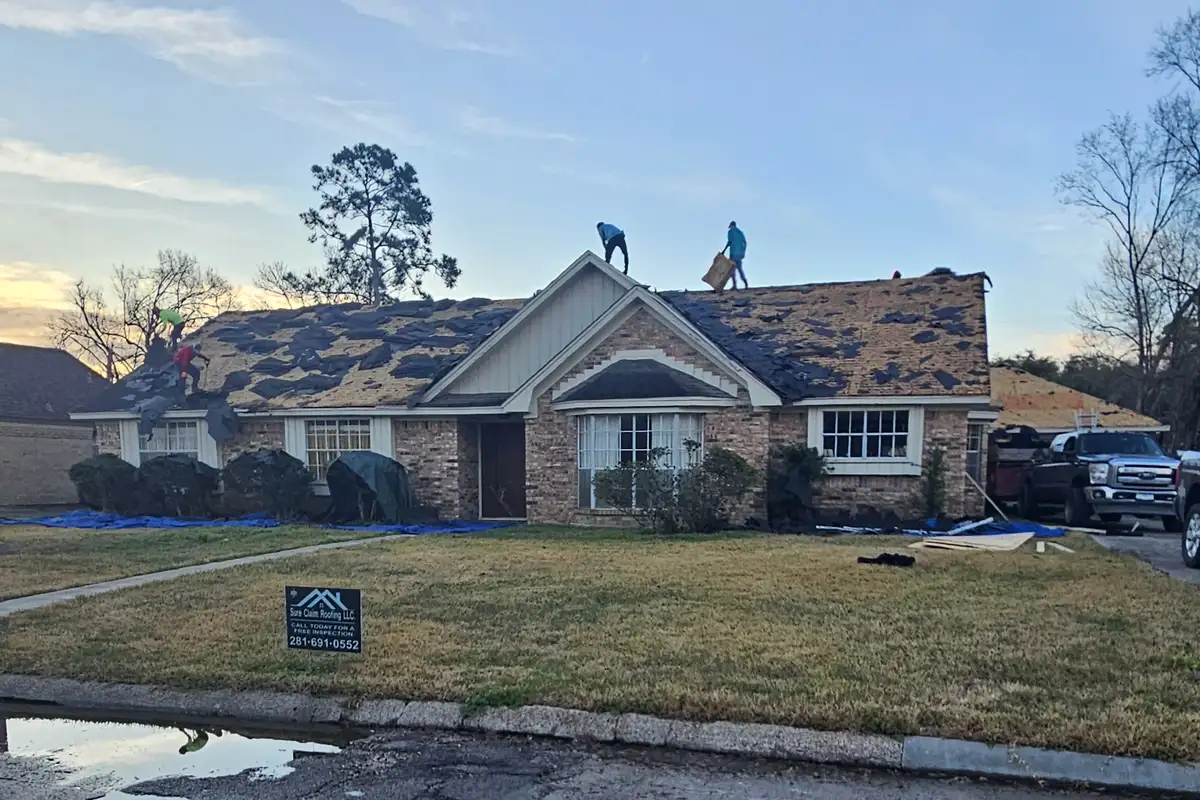
Decking is the wood panel or board surface that carries the roofing materials. A new covering needs a suitable base; a shingle upgrade does not repair deteriorated wood beneath it. Some deck conditions only become visible after removal of the old covering.
A clear allowance or change process defines how that additional work is handled. It should identify the relevant unit, how the affected area will be documented and how approval occurs before extra work proceeds. An allowance is not proof that every listed panel will need replacing. Equally, an estimate with no stated approach to hidden work is harder to compare. Read how decking allowances work before accepting a proposal.
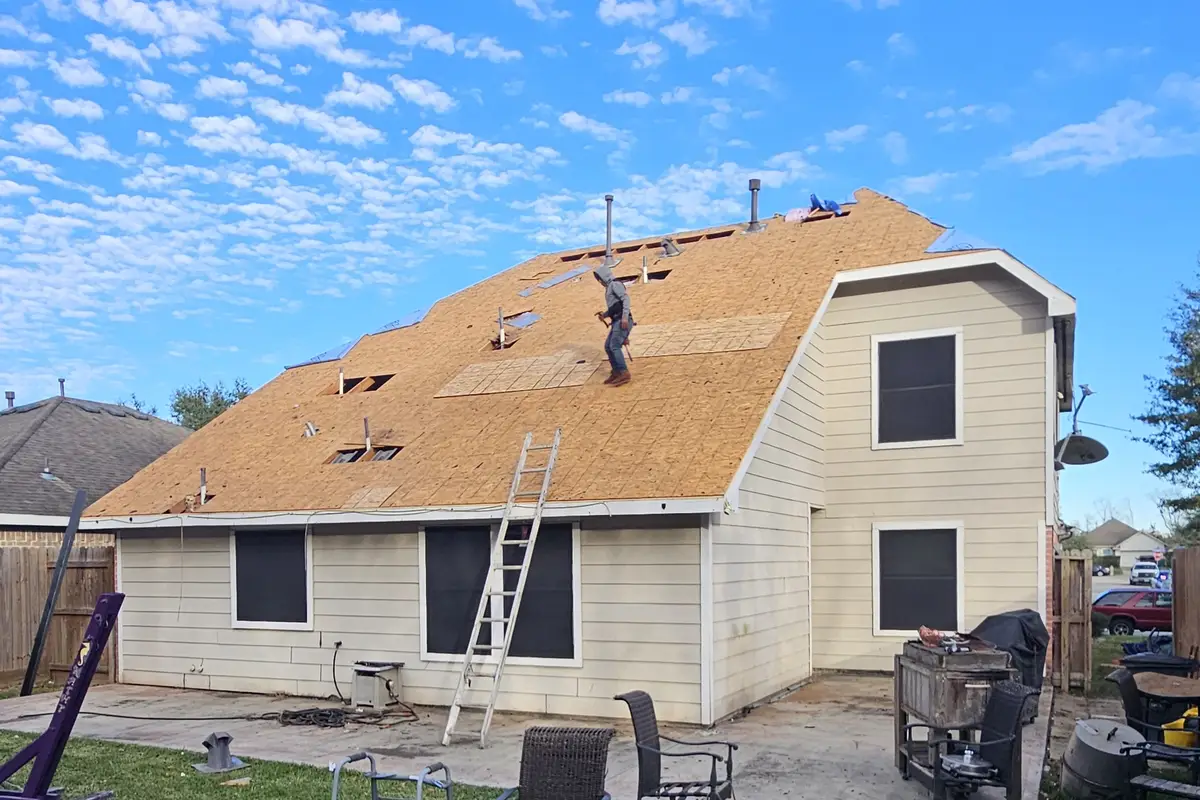
Asphalt shingles, metal and tile have different installation requirements and project implications. Within asphalt shingles, product construction, appearance and test ratings can differ. The selected covering needs suitable underlayment, edge details and accessories, not just an attractive sample.
Compare a defined product and assembly rather than an undefined upgrade label. The scope should make clear which material is being proposed and where it will be installed. Color samples can help with appearance; product documentation supplies the relevant ratings and warranty conditions. Our shingle selection guide and impact rating guide explain the distinctions without treating a laboratory rating as a damage guarantee.
Roof surface area, slope, height, complexity, existing layers and the selected materials all influence the amount of work. Valleys, dormers, chimneys and other transitions add details beyond the main field of shingles. Deck repairs and the condition of retained components can also change the final scope.
A useful estimate connects those conditions to the proposal. Comparing only the home's living area or a broad material label skips important differences. Our separate replacement cost guide covers regional budgeting references and their assumptions. The figure that applies to your home comes from its measurements, condition and written work description.
A replacement roof needs continuity from the supporting deck through the covering and its transitions. The deck provides the substrate for installation. Underlayment forms a layer beneath the covering; its details have to connect with the selected roof system. Where a pipe, chimney or wall interrupts that surface, flashing manages the transition.
A panel that is distorted or unsuitable for the selected product can affect the roof above it. GAF's substrate bulletin explains why a smooth, sound deck matters. The actual product instructions and local requirements determine the installation details.
Roof-to-wall transitions involve more than a visible bead of sealant. Flashing pieces must direct drainage onto the intended surface and integrate with adjoining materials. A replacement estimate should describe the treatment of existing flashings, including which are retained and which are renewed.
For a vented attic, air needs an effective intake and exhaust path. Adding another exhaust device is not automatically an improvement. The ARMA ventilation explanation describes why competing exhaust types can disrupt the intended flow. The existing attic design controls which arrangement is appropriate.
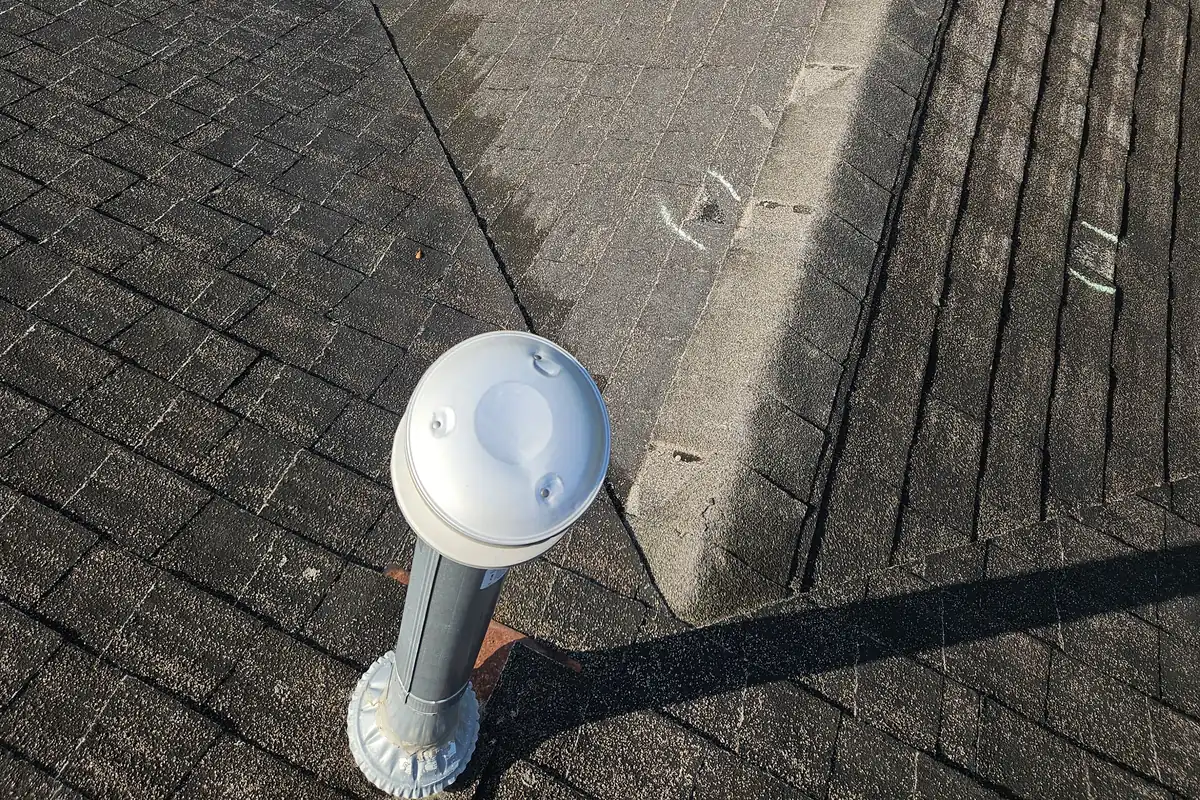
Baytown distinguishes shingle-only replacement from work on the roof deck in its residential permit guidance. If the defined project includes decking work, that difference belongs in planning before installation rather than at the end. The permit authority follows the actual property jurisdiction.
Windstorm requirements are another address-specific consideration. Local permits and windstorm certification are not interchangeable documents. Establishing any applicable inspection responsibility early helps keep necessary work visible at the right stage. Use the Baytown permit guide and windstorm guide to understand what needs to be resolved.
Before work begins, the agreement should describe the materials, roof areas, removal, hidden-condition process, payment terms and written warranty. A proposed start or completion date also needs to account for weather and the agreed scope. A timeline from another job is not the schedule for your home.
Preparation makes access and communication easier. Identify vehicles that need moving, pets that need keeping away from the work area and any fragile items near construction access. Discuss where materials and debris will be staged so the roof work fits the property. Our preparation guide provides a useful starting point without assuming a particular crew procedure.
A replacement agreement needs a workable boundary between the known project and additional work discovered later. If the estimate includes an allowance, understand whether it is a provisional quantity, a unit price or a stated scope. Those are different ways of handling uncertainty. The written terms should make clear how the actual work will be documented and how a change affects the agreement.
For example, replacing damaged deck panels can involve the panel material, removal, fastening and adjoining roofing work. A bare panel count does not necessarily describe all of those tasks. This is why an undefined extra-work statement is difficult to compare with a more detailed proposal, even when the starting totals are close.
The same approach helps with retained components. A proposal should identify what is staying and the basis for that decision within the project, rather than imply that a new shingle surface renews every part of the roof. Once the scope and change process are clear, product and warranty choices become easier to assess on their own merits.
Tell us where the property is and what has prompted you to consider replacement. Repeated leaks, visible damage, an aging covering or a quote you want to compare are all useful starting points. Include previous repair details or the existing proposal if you have them. You can start without knowing the roof's age, size or material.
NewRoof Houston TX connects your request with Sure Claim Roofing LLC for a free, no-obligation roof inspection. Before approving a replacement, understand which areas need work, which materials are included and how any hidden decking repairs will be handled. To discuss your roof by phone, call (281) 691-0552, daily from 8 a.m. to 8 p.m.
No. Age contributes to the decision, but extent of wear, damage, repair history and the condition of the materials determine whether repair or replacement is appropriate.
The deck supports the roofing materials. Concealed deterioration may become visible during tear-off, so a proposal should explain its allowance or approval process for necessary deck work.
Yes, but first align the roof areas and work scope. Then compare the actual products, accessories, ratings, exclusions and written warranty terms rather than assuming brand names describe equivalent systems.
They are a separate scope item. Your written agreement should identify whether interior repairs are included or need separate coordination.
The schedule depends on the size, complexity, material, conditions uncovered and weather. A property-specific proposal is the right place to establish the planned sequence and timing.
Sure Claim Roofing LLC offers a free, no-obligation roof inspection. Requesting it does not require you to proceed with a replacement.
Start with your roof.
Request an inspection