
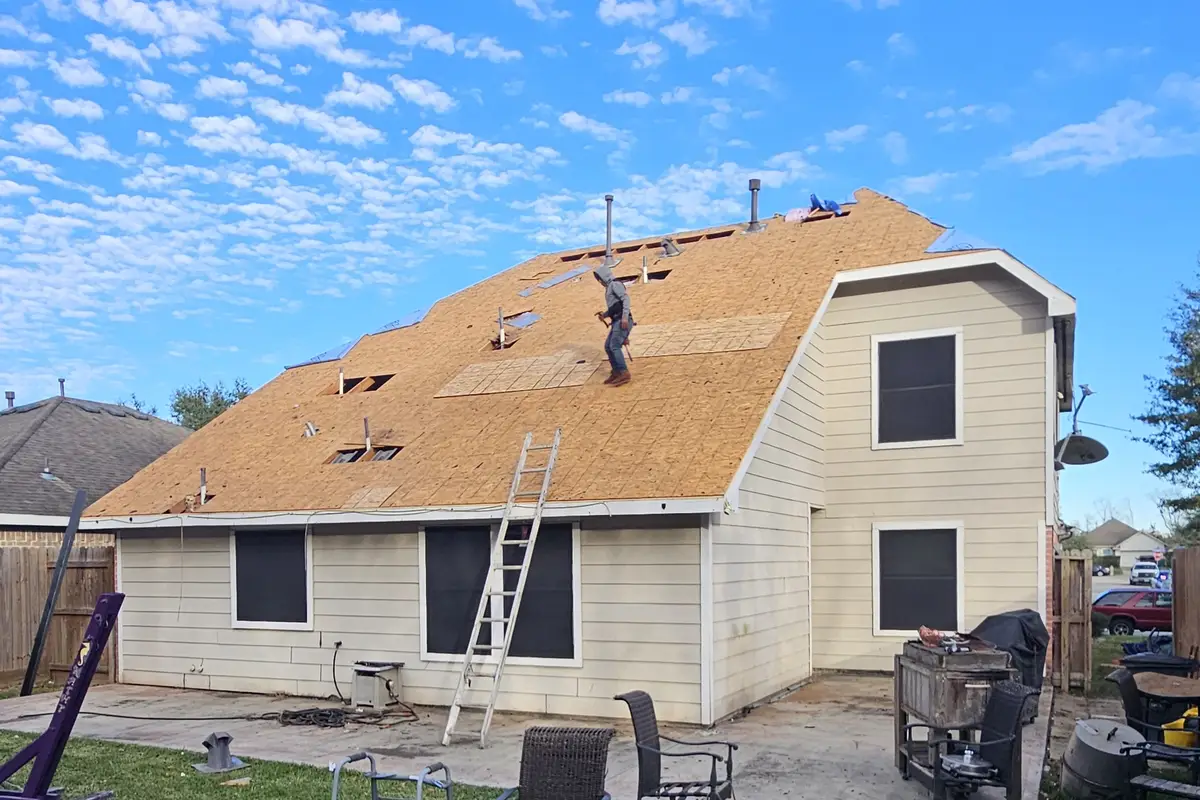
An allowance is a way to handle an unknown quantity
A decking allowance is a defined provision in the estimate, not a diagnosis of your roof. It tells you how a possible condition will be handled if removal exposes sheathing that is unsuitable for the new roof assembly.
The useful distinction is between what can be assessed before removal and what becomes visible during the work. A contractor may identify concerns before the job, but the full upper surface of the deck is covered by the existing roof. An allowance acknowledges that limitation while giving the change a clear structure.
Read the wording carefully. An included quantity, an estimated quantity and a separate unit price do not mean the same thing. The estimate should identify which is being used and how any difference between the estimate and the actual work is reconciled.
This is why the lowest base price does not always describe the lowest final scope. A proposal with no included decking may still be clear and useful if it states the method and rate for additional work. A larger allowance can be helpful, but only when you understand what it includes.
What roof decking does beneath the covering
Decking, also called sheathing, forms the surface above the roof framing and beneath the protective roofing layers. Residential roofs can use wood panels or other suitable sheathing arrangements. The new covering needs a sound supporting and fastening surface.
GAF's roof decking guide explains the relationship between deck integrity and roofing attachment. It also notes that replacing the roof covering does not automatically mean replacing all of the decking.
The practical question is condition and compatibility, rather than whether every piece is new. A sound existing section may remain within the agreed scope. A damaged or unsuitable section needs a specific plan before it is covered. Replacing shingles alone does not turn an unsuitable substrate into an adequate one.
A visible dip, an interior stain or a prior leak can be useful context for an assessment, but none of those observations measures the exact replacement quantity by itself. Keep the concern separate from the final work decision.
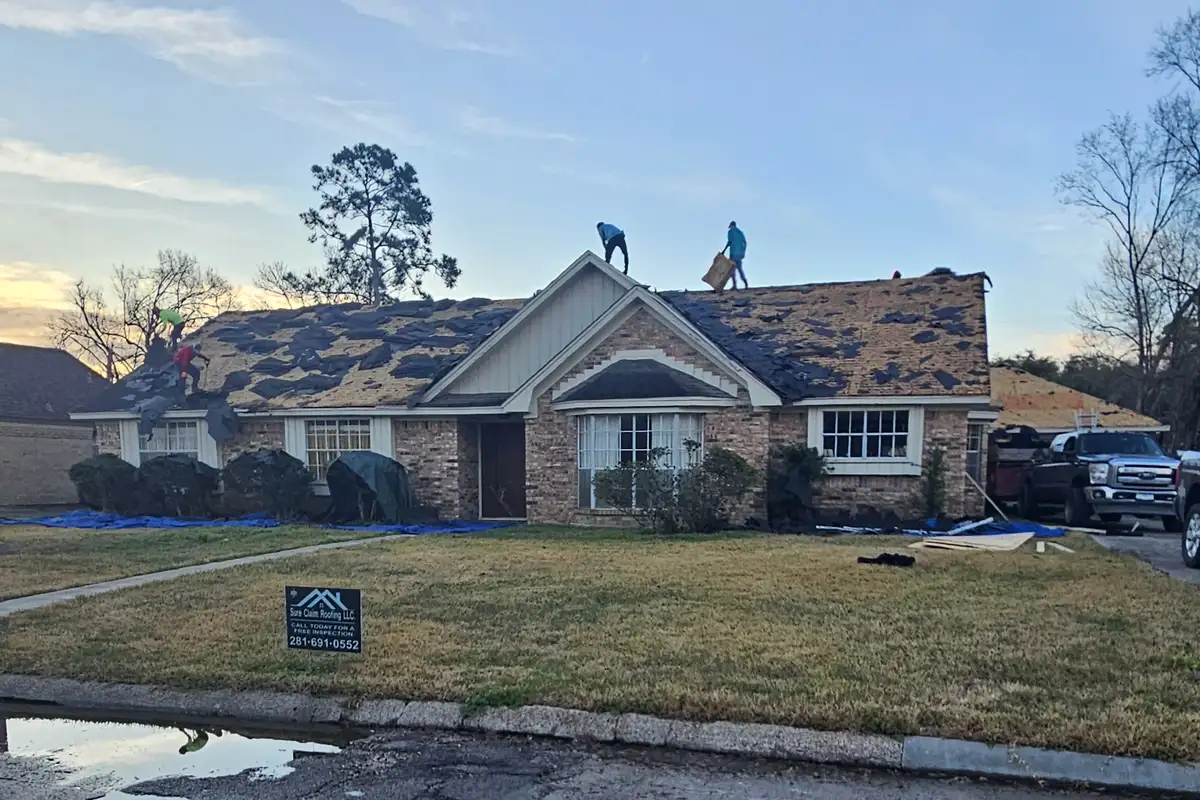
Read the unit and the included work
A decking item should be understandable as a quantity of work. Look for the material, measurement unit and tasks included. The same short phrase can otherwise conceal very different assumptions.
Per panel versus per area
If a quote uses panels, identify the panel specification and dimensions. If it uses square feet, identify how the replaced area is measured. Do not compare the numbers as though the units were identical. A panel count also does not establish that every panel will be installed as one uncut piece.
Material alone versus installed work
A material-only amount differs from an item including removal, disposal, installation and fastening. Clarify whether related work is included or separately described. The point is to understand the whole change, not to turn a retail material price into an installed roofing quote.
Thickness, support and fastening should follow the applicable assembly and requirements for the property. This guide does not select a universal panel thickness. That decision belongs to the actual roof design and conditions, rather than a generic allowance label.
Distinguish included quantity, unit price and contingency
Use these three categories when reading the financial structure:
- Included quantity: a stated amount of decking work already within the base proposal.
- Additional unit price: the stated charge basis for authorized work beyond what is included.
- Contingency: money you set aside for possible changes, which is not itself an agreement to perform unspecified work.
For an illustrative quantity-only example, imagine one proposal includes two defined panels and lists an additional unit rate. Another includes no panels and lists a different additional rate. Before comparing them, identify the panel specification and the installed tasks under each. The base totals alone do not tell you the outcome if the actual quantity changes.
Also identify what happens if the included allowance is not used. The agreement's wording should determine whether the amount is an included scope item, a provisional allowance that is adjusted, or some other arrangement. Do not assume a refund or additional charge from the word “allowance” alone.
Make the change understandable before it is covered
A useful change record connects the reason, location, quantity and proposed correction. Agree on how that information will reach you while the work is accessible. The goal is a decision you can understand without entering the work area.
For example, a photo identifying the affected roof section is more useful when paired with a description of the condition and the quantity proposed for replacement. A close-up alone may not show where the issue sits; a quantity alone may not explain why the work is needed. The two together make a clearer record.
Establish who can approve a change and which contact method will be used. If you will be away during the work, identify the authorized decision-maker in advance. This avoids trying to resolve the authorization chain when a roof section is already open.
Put the approval contact, communication method and authorization step in the written agreement so changes can be handled while the deck remains accessible.
Keep sheathing changes separate from structural changes
A decking allowance should not silently become an allowance for every type of hidden repair. The sheathing surface and the framing beneath it are different parts of the roof. If an assessment identifies a separate framing issue, that deserves its own scope and appropriate evaluation.
That distinction protects both the budget and the work description. A per-panel item is not enough to explain an unrelated alteration to the supporting structure. Similarly, a roof replacement proposal should not imply that all concealed building conditions have been assessed just because it includes a wood allowance.
In Baytown, the city's residential guidance lists roof deck installation, replacement and repair as permit-required work, while shingle replacement only appears among the exemptions. Read the city's current residential permit guidance and our Baytown roof permit guide for that important scope distinction.
Permit responsibility and inspection coordination should be addressed before deck work is covered. A Baytown mailing address alone does not identify the property's municipal jurisdiction, so use the actual property location when planning the work.
Compare two allowance structures without guessing the damage
Consider two hypothetical estimates for the same roof. The first includes a defined number of specified panels. The second has no included quantity but states the charge basis for additional installed decking. The comparison needs more than the word “included.”
First, match the material and installed tasks. Then identify how each agreement handles work beyond its base. Finally, read what happens if the actual quantity is lower than the allowance. Those terms reveal the budget structure without pretending either estimate has already found every concealed condition.
If more work is proposed during removal, compare the actual quantity with the written structure. A clear record should make it possible to see what was included, what changed and which authorization covers the difference.
Use the right level of evidence
A roof overview can locate the section, while a closer photo and description can explain the condition. Neither needs to become a homeowner instruction to climb onto the roof. The work-area discussion should provide understandable information from a safe position.
If the proposed work goes beyond the allowance's category, treat it as a separate scope question. For example, a concern involving framing should not be explained only as more panels. The description should identify the actual component and proposed work so you can judge the change on its own terms.
This is how an allowance supports a decision: it supplies an agreed framework for a condition that may become clearer during the work, while the actual finding supplies the reason and quantity.
Compare the allowance as part of the entire replacement
Decking is one important line in a complete roof proposal. Read it alongside removal depth, roof transitions, material selection and the work boundary. A clear allowance cannot compensate for an unclear replacement scope elsewhere.
When reviewing two estimates, make a short note for each: included quantity, unit specification, tasks covered, additional rate basis, approval method and permit responsibility. An unresolved entry becomes a specific clarification. This turns an uncertain wood allowance into a manageable purchase decision.
Keep approved changes with the original estimate and closeout documents. The final record should explain the work that was actually authorized, rather than leave you reconstructing it from texts and a final total months later.
For a broader comparison, use our roof quote guide. To start with your property, request a roof estimate and mention known leaks, prior repairs or any decking concern you want included in the assessment.