
Does storm damage always require a new roof?
No. The extent of the damage, condition of surrounding materials and ability to integrate a repair determine the appropriate scope. A localized repair and full replacement address different conditions.
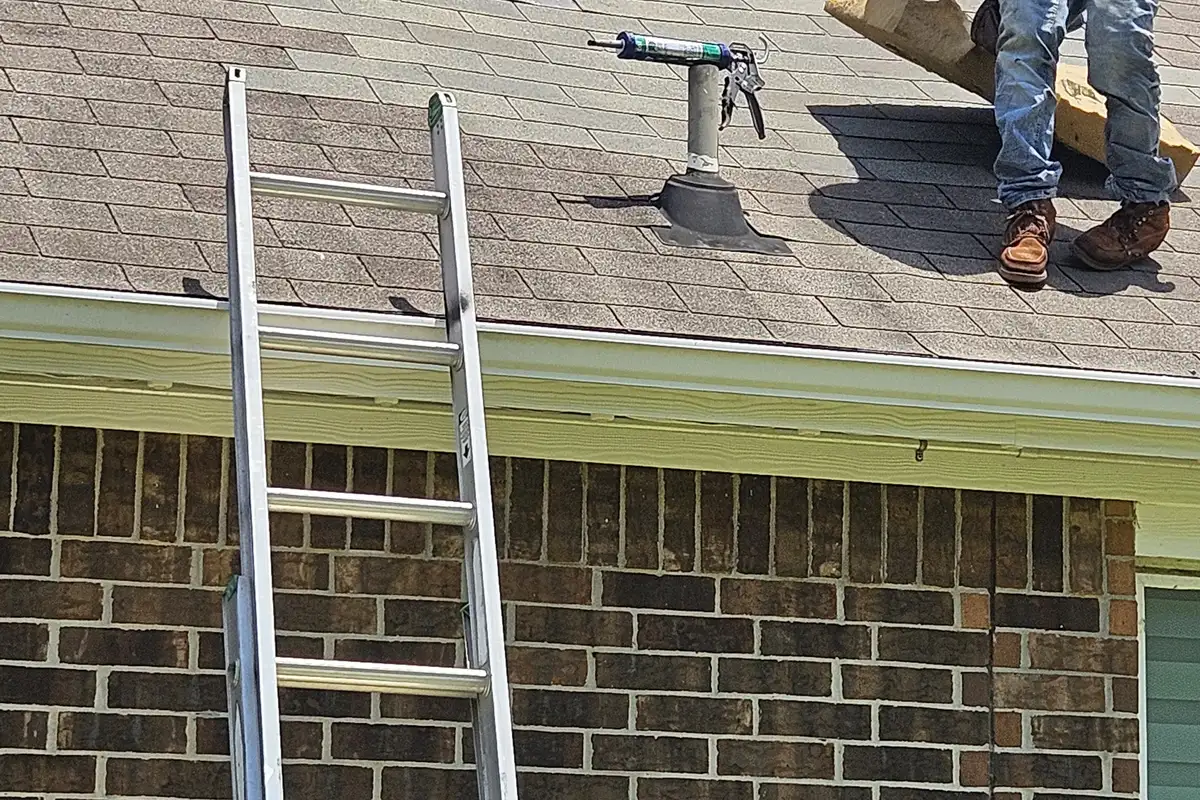
Storm damage roof assessment in Baytown helps you understand what needs attention after missing shingles, displaced materials or a new leak. Request a free inspection to explore repair or replacement. If water is entering now, call to discuss available help.
Missing covering, displaced materials or water appearing indoors after a storm deserve attention. Start by recording what you can see safely: where the damage or stain is, when you first noticed it and when the storm occurred. Photos taken from the ground or a safe indoor location can help. Stay away from unsafe areas and off the damaged roof.
You don't have to decide whether hail, wind or a flashing problem caused it before requesting an assessment. “Water appeared in the upstairs hall after the rain” is useful information. A photo can record the change, while an assessment is needed to understand the cause, the affected materials and how much work is involved.
Temporary protection addresses immediate exposure. Permanent repair renews the materials and details needed for the longer-term roof system. One does not automatically complete the other. When water is entering, call to discuss the situation and the earliest available help rather than relying on a web request to establish a visit.
Keep people away from unstable ceilings, fallen lines or other dangerous conditions. Do not climb onto a damaged roof or attempt a rooftop tarp installation to collect information. If a temporary measure has already been taken, include when it was installed and where. That information helps distinguish the current exposure from the eventual permanent-work scope.
A limited affected area can lead to a repair discussion when surrounding materials remain suitable. Damage across larger areas can support a different scope. The assessment needs to consider the existing roof and adjoining materials rather than assuming a storm automatically requires full replacement.
A repeated leak or an older repair can also affect how the new concern is interpreted. Describe the timeline honestly: what happened before the storm, what changed afterward and which work has already been attempted. That sequence helps keep the proposal grounded in the property's condition rather than an assumed cause.
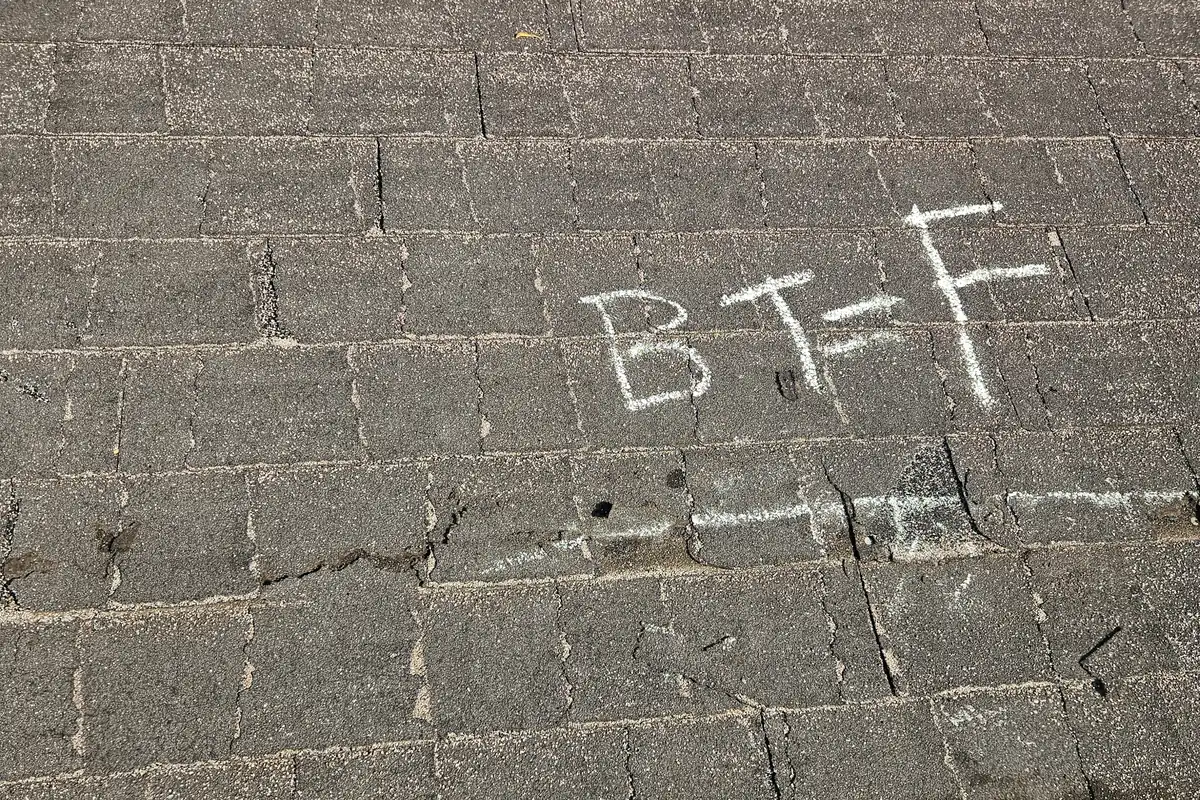
A roofing assessment can supply information about visible condition and proposed work. Photos, measurements and a written roof scope are useful project records. An insurer separately evaluates coverage under the applicable policy, deductible and claim process.
Contractor documentation is not claim representation or a guarantee of payment. Coverage disputes and representation require the appropriate licensed professional. Keep your records organized and follow your insurer's instructions for its inspection process. The construction decision still needs a clear description of what will be repaired or replaced and who is responsible for each part of the work.
A storm-related proposal should identify affected roof areas, the materials being removed and renewed, and any adjoining details needed to integrate the work. Repairing a field of shingles while ignoring an affected transition can leave an incomplete scope. Conversely, a full replacement should have a condition-based rationale beyond the storm date.
If proposals differ, line them up by area and task. One may include the porch, garage or flashing work that another excludes. The estimate comparison guide explains how to identify those differences, and the replacement page describes the larger assembly.
A permanent repair must work with the surrounding roof. The replacement piece, its fastening and the adjoining materials all affect the result. Damage at a roof edge, a penetration or a transition can require more than replacing the most visible missing item.
Work that lifts adjoining shingles can affect their seals. Product instructions govern how those disturbed materials are handled. A repair scope needs to allow for the work required to integrate the repaired area, not just count visibly missing shingles.
Water needs a continuous intended route across the roof assembly. At a wall or opening, that route depends on how the flashing and adjoining materials overlap and connect. Surface sealant alone does not describe the construction detail or establish the cause of a leak.
A damaged covering does not prove every underlying panel is unsound. Equally, a new covering needs a suitable supporting surface. The proposal should separate known deck work from conditions that only become visible after removal.
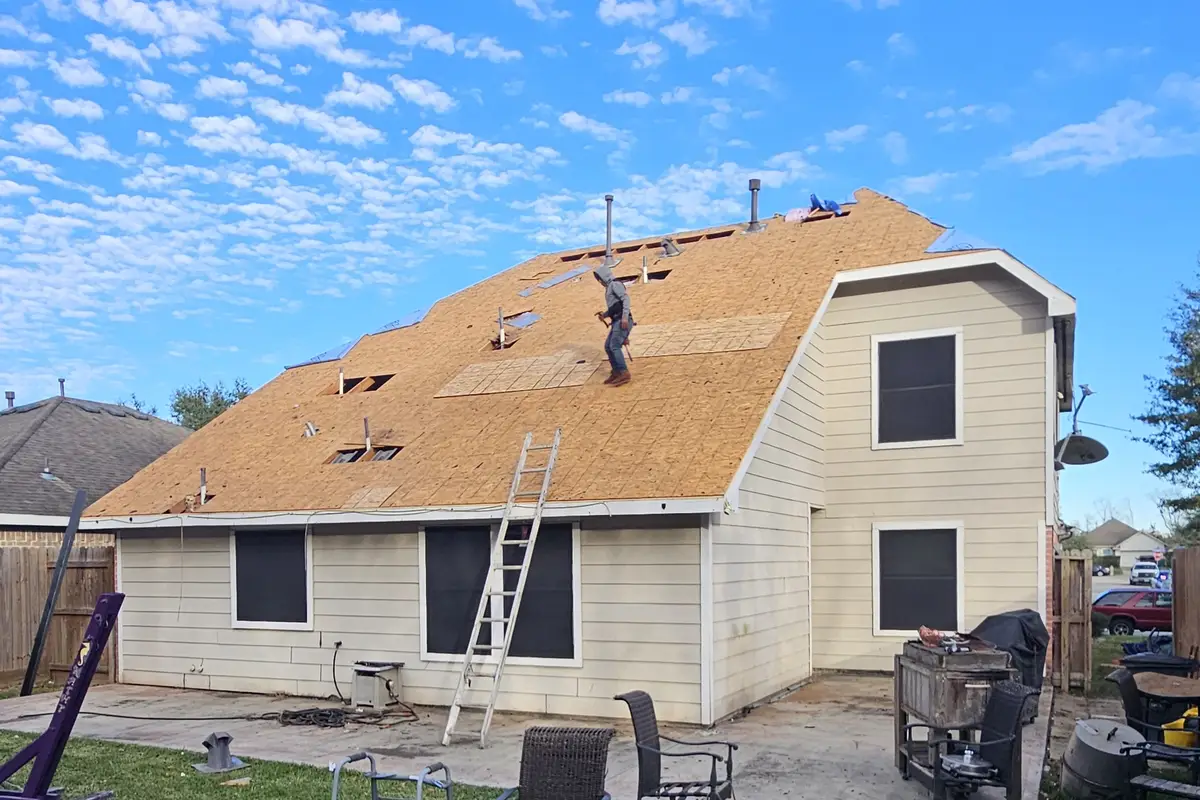
Baytown's permit guidance distinguishes shingle-only replacement from decking work. A storm repair that expands into deck repair has different planning implications from a covering-only job. The actual address determines the responsible jurisdiction.
Windstorm certification can also matter for applicable properties and work. It is separate from the insurer's claim decision. Establish any inspection responsibility early so necessary parts of the work can be reviewed at the appropriate stage. The certification planning guide explains why a completed covering and a complete documentation file are different checkpoints.
Save the original photos, dates, communications and any temporary-work invoices. Keep the written permanent-work proposal and later change approvals together. Clear records help you follow what was observed, what was proposed and what actually changed during construction.
Avoid turning an approximate observation into a precise unverified claim. If the roof age is unknown or an earlier repair date is approximate, label it that way when you send the information. Accurate context is more useful than a confident guess, especially when several people are reviewing the same property.
Imagine a homeowner notices missing shingles after a storm. A photograph can document the visible opening and its location. It does not establish whether the surrounding covering is suitable for a local repair or whether a broader roof condition changes the recommendation.
A localized proposal might describe replacement of the affected covering and the work needed to reconnect it with the surrounding assembly. A wider proposal needs a corresponding explanation of the additional areas and components involved. Compare those boundaries before comparing totals. A scope describing one affected patch and a scope describing a whole slope are different construction decisions, even when both begin with the same photograph.
Keep the timing and construction records separate. Record when you first noticed the condition, preserve the original photographs and retain the assessment and proposed scope. Those records help explain what was observed and what work was recommended. They do not turn the observation into a confirmed cause, covered loss or insurance payment decision.
Send your property location, contact details, where you see damage or water, and when it first appeared. Include photos you can take safely. If water is actively entering, call to discuss the current situation and available service rather than waiting for a web request to be reviewed.
Your request through NewRoof Houston TX goes to Sure Claim Roofing LLC for roofing service. The roof inspection is free and no-obligation. Call (281) 691-0552, daily from 8 a.m. to 8 p.m., or request the inspection online. Understanding the damage and repair options comes before choosing the permanent work.
No. The extent of the damage, condition of surrounding materials and ability to integrate a repair determine the appropriate scope. A localized repair and full replacement address different conditions.
Provide pictures you can take safely from the ground or an accessible interior location. Include the affected room or exterior area and when the change first appeared. Do not climb onto the roof.
No. The insurer decides coverage under your policy. Roofing photographs, measurements and a proposed work scope are separate from claim representation and coverage approval.
Usually it serves a different purpose: reducing immediate exposure until the permanent work is established. The permanent repair needs its own materials, details and scope.
Yes. Give the approximate timing, present symptoms and any work already attempted so the inspection can consider the sequence and current condition.
Call (281) 691-0552 to discuss the current situation and available service. Keep clear of electrical hazards and unstable ceilings, and share only information you can gather safely.
Start with your roof.
Request an inspection