
Is the roof inspection free?
Yes. Sure Claim Roofing LLC offers a free, no-obligation roof inspection. You can request one while deciding between repair and replacement.
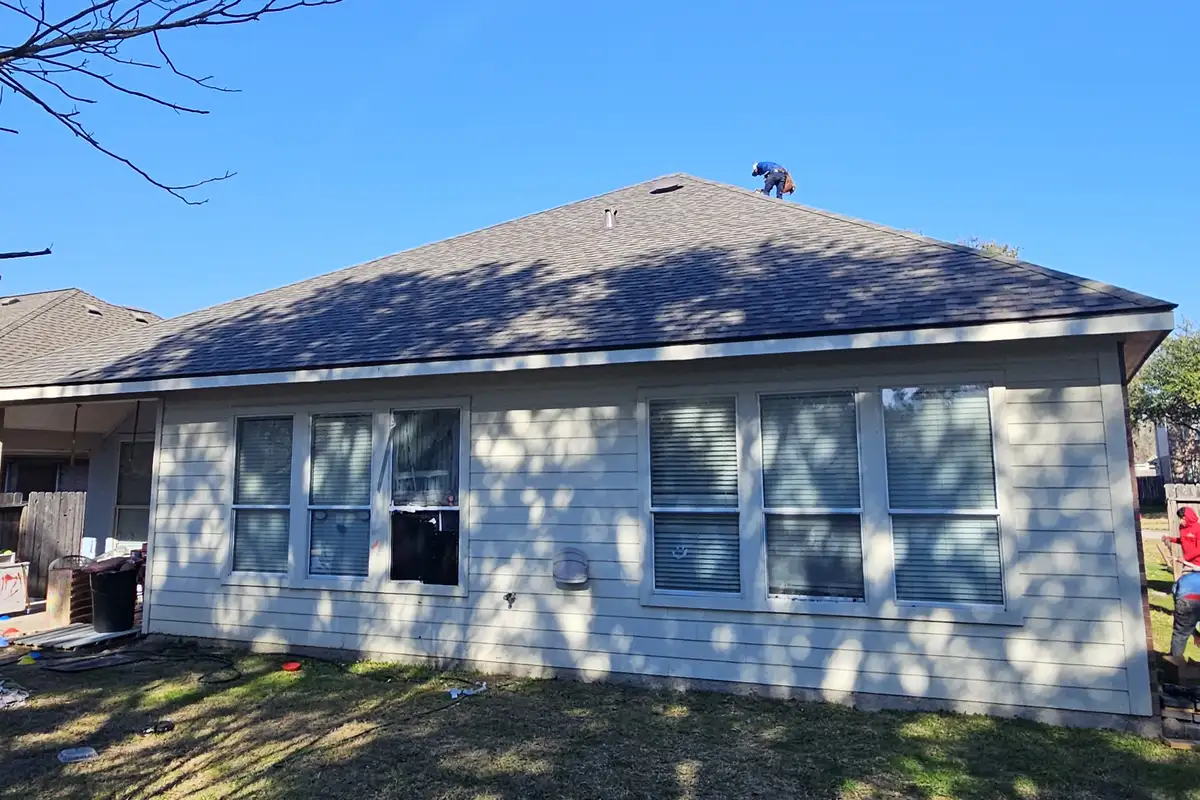
Roof inspections in Baytown help you understand a leak, missing shingles or an older roof before paying for repairs or replacement. Tell us what you've noticed and request a free, no-obligation inspection. You do not need to know what's causing the problem.
A stain on the ceiling tells you something needs attention, but it doesn't tell you whether the roof needs a repair or a full replacement. The same uncertainty can follow missing shingles, buying a home with an older roof or receiving two different recommendations. An inspection helps connect what you've noticed with the roof's condition and the work that could address it.
Describe the problem in your own words. Where did the stain appear? Does it change after rain? Has anyone repaired that spot before? Whether you want to stop a leak, assess storm damage or plan a replacement, those details help focus the inspection on what matters to you.
Visible covering damage is relevant, but it is only one part of the picture. Flashings, roof edges and other transitions can matter even when the main shingle field looks uniform. A roof also has concealed layers, so a surface assessment cannot reveal every condition beneath an intact covering.
The practical result is a staged decision. Visible findings can support a repair or replacement proposal while clearly identifying conditions that need closer access or become visible during removal. That distinction improves a written scope: known work is described directly, and genuinely hidden work has an allowance or approval process rather than an assumed quantity.
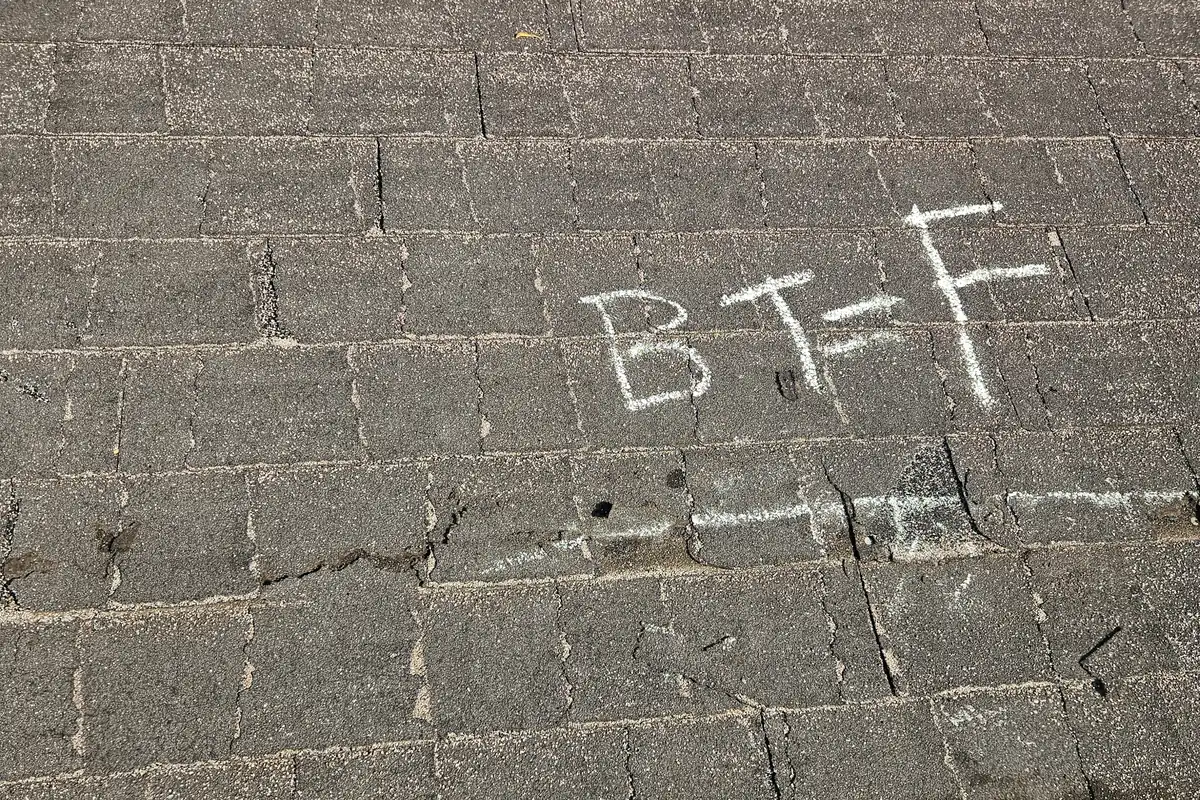
An interior stain marks where moisture became visible, which may differ from the exterior entry point. Roof geometry and building materials can change the path water takes. A leak investigation therefore needs more than matching a ceiling spot with the shingle directly above it.
Record which room is affected, whether the problem appears during every rain or only certain conditions, and when you first noticed it. Safe photos and the dates of earlier repairs can help establish the sequence. Keep away from unstable ceilings or electrical hazards. You can provide useful information from a safe location without climbing onto the roof.
Approximate age gives an inspection context. It does not establish how long a particular roof will remain serviceable or prove that replacement is the right answer. Installation details, material condition, previous damage and repairs all contribute to the decision.
If you have no installation records, say so in the request and describe what you know. An assessment can still begin with the present condition. If records exist, the product information, prior proposals, invoices and warranty documents may explain what was installed and which parts have changed since. They are particularly useful when different parts of a roof were completed at different times.
When replacement is being considered, measurements and condition need to support the same proposal. Measurements identify the roof surfaces and details. Condition helps determine removal, deck work, flashing treatment and whether an adjoining area needs attention. Neither task replaces the other.
A property address is a useful starting point for measurements, but it does not reveal all existing layers or hidden deterioration. The address estimate guide explains how preliminary information fits into a more complete project decision. For the installation scope, continue to residential roof replacement.
Roof openings and intersections interrupt the water-shedding surface. A pipe vent, chimney or sidewall needs a transition between materials. The inspection question is whether that transition and its adjoining components can manage drainage as intended.
Flashing is part of a larger connection. Its relationship to the covering and wall matters more than its appearance in isolation. Accessible details can reveal a likely repair area, while concealed portions may need additional access before the full scope is known.
A surface observation may suggest the need to investigate the substrate, but the actual wood condition needs appropriate access. Deck movement, visible distortion and previous patching are reasons to look more closely. The amount of wood that needs replacing can only be established once its condition can be inspected.
Where a vented attic is involved, the intake and exhaust need a usable air path. An exhaust opening alone does not establish balanced ventilation. The roof and attic design should be considered together rather than selecting another vent solely because it is visible from outside.
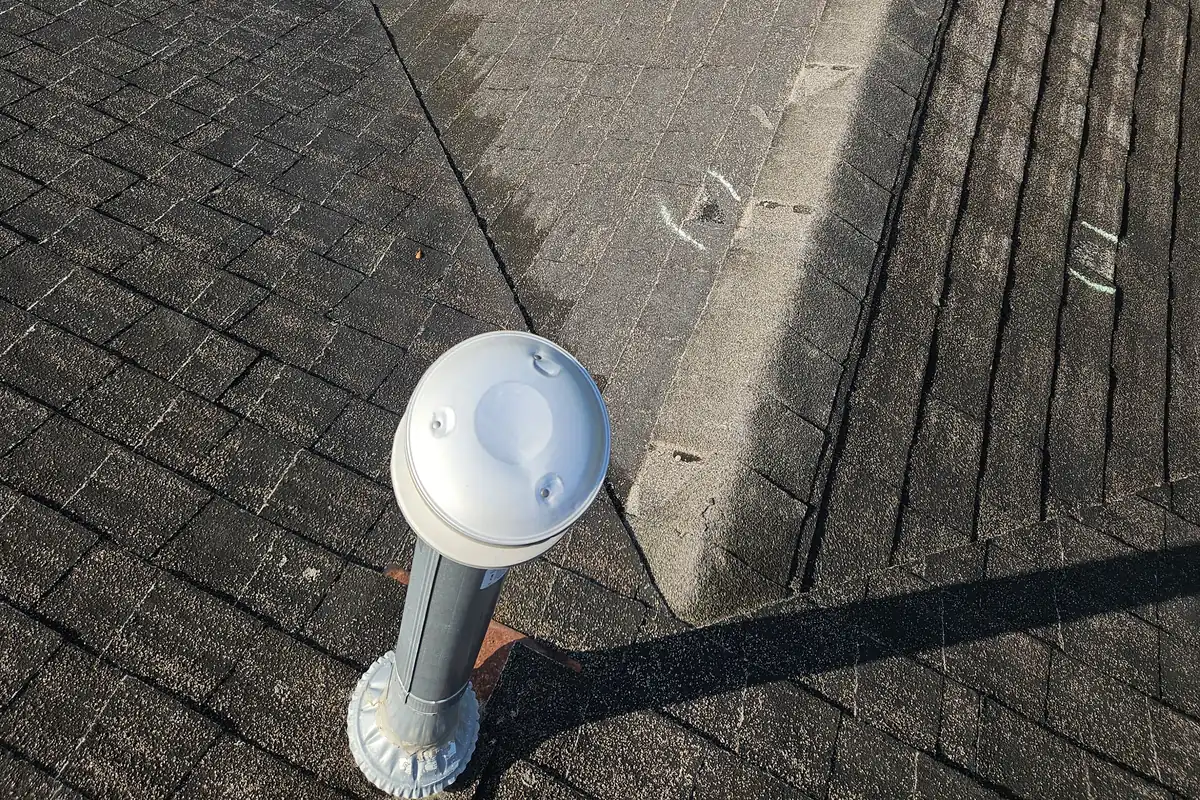
An actionable roofing recommendation connects a finding to a proposed response. A localized repair should identify the problem area and adjoining work required. A replacement recommendation should explain the larger scope and how the system will be renewed. Where a finding needs another type of assessment, that need should remain clear.
This helps you compare recommendations without treating every difference as a contradiction. One proposal may address a limited symptom while another includes a larger area or different materials. Use the quote comparison guide to align the proposed work before deciding which approach fits.
An inspection and construction approval are different things. In Baytown, shingle-only replacement and roof deck work appear in different categories of the city's residential permit guidance. The eventual work scope determines which planning questions need to be resolved.
If your property is in an applicable windstorm area, certification planning also needs to fit the work. Do not wait until a concealed detail is covered to establish any required inspection responsibility. The permit guide and windstorm guide explain these distinct checkpoints.
Consider a hypothetical inspection prompted by a stain beside a roof-to-wall junction. In one case, the roof covering around the junction remains serviceable and the assessment identifies a localized flashing problem. In another, the same interior symptom accompanies deterioration extending across the surrounding roof area. The stain looks similar from inside, but the findings lead to different work.
In the first case, a useful proposal identifies the connection to be repaired and the materials that must be disturbed to reach it. In the second, it explains the wider condition and why the proposed work extends beyond that connection. Neither conclusion follows from the ceiling photograph alone. The inspection connects the symptom with accessible observations and identifies any further access needed.
Use that distinction when reading the report: locate the observation, the proposed response and its boundary. If the estimate includes concealed decking work, identify whether it is a known quantity or an allowance for a condition that will become visible later. That separates the decision you can make now from a change that may need approval during the project.
Send your property location, contact details and a short description of what you've noticed. Include the approximate roof age, storm timing, safe photos, earlier repairs or a proposal if you have them. You can simply say, “The same ceiling stain keeps coming back,” or “I want to know whether this area can be repaired.” You do not need the name of a roof component to get started.
Sure Claim Roofing LLC offers the free, no-obligation roof inspection requested through NewRoof Houston TX. Call (281) 691-0552, daily from 8 a.m. to 8 p.m., or start the inspection request. Use the inspection to understand the condition behind the symptom before choosing the work.
Yes. Sure Claim Roofing LLC offers a free, no-obligation roof inspection. You can request one while deciding between repair and replacement.
It helps connect visible condition and damage extent with a repair or replacement recommendation. Hidden conditions can require closer access or become visible during tear-off.
No. Describe what you can see from a safe location. Interior observations, ground-level photos and previous repair records can help explain the concern.
No. Roofing condition and work scope are separate from an insurer's coverage decision. Your policy and the claim review determine coverage.
You can still request an inspection. Give the information you have, including visible concerns and repair history, and let the present condition guide the next decision.
Yes. It helps focus the discussion on the proposed roof areas, materials and unresolved scope questions. Comparing the same work makes differences easier to understand.
Start with your roof.
Request an inspection