
Does a leaking roof always need replacement?
No. An isolated problem can be repairable when surrounding materials remain suitable and the work can be integrated properly. The roof's overall condition and damage extent determine the decision.
Roof repair in Baytown can be the right choice for a leak or damaged area when the surrounding roof is still sound. Find out what is causing the problem and whether a repair will address it. Start with a free, no-obligation inspection.
A ceiling stain shows where water ended up. It doesn't necessarily show where the water entered. Missing shingles, flashing at a wall or water around a roof opening can require different repairs. The repair needs to address the affected part and reconnect it properly with the surrounding materials.
If a patch hasn't lasted, tell us when it was done and when the leak returned. Describe where the water appears and whether it follows particular rain events. You do not need to diagnose the failure yourself. That history helps focus attention on the water's route and any adjoining work the earlier repair may have missed, rather than repeating the same surface treatment.
Repair can be a practical route for a defined affected area when the adjacent materials can accept the necessary work. Broader deterioration or damage across multiple areas can make replacement a better fit than repairing one spot at a time. There is no universal roof-age threshold that settles this decision for every home.
The comparison should include what each proposal resolves. A small repair and a complete replacement are not equivalent purchases, even if both mention the same leak. If replacement is being recommended, understand the larger condition-based reason. If repair is recommended, understand its area, materials and limits. See residential replacement planning for that broader scope.
Roof intersections are places where different materials must work together. Flashing connects the roof covering with walls or openings and directs water along the intended drainage path. A visible stain or bead of sealant does not describe that whole connection.
A repair can involve access to adjoining shingles or other materials so the transition can be evaluated and rebuilt appropriately. The important estimate detail is which components and neighboring areas are included. Naming only the symptom, such as “fix chimney leak,” leaves more open to interpretation than describing the affected flashing and integration work.
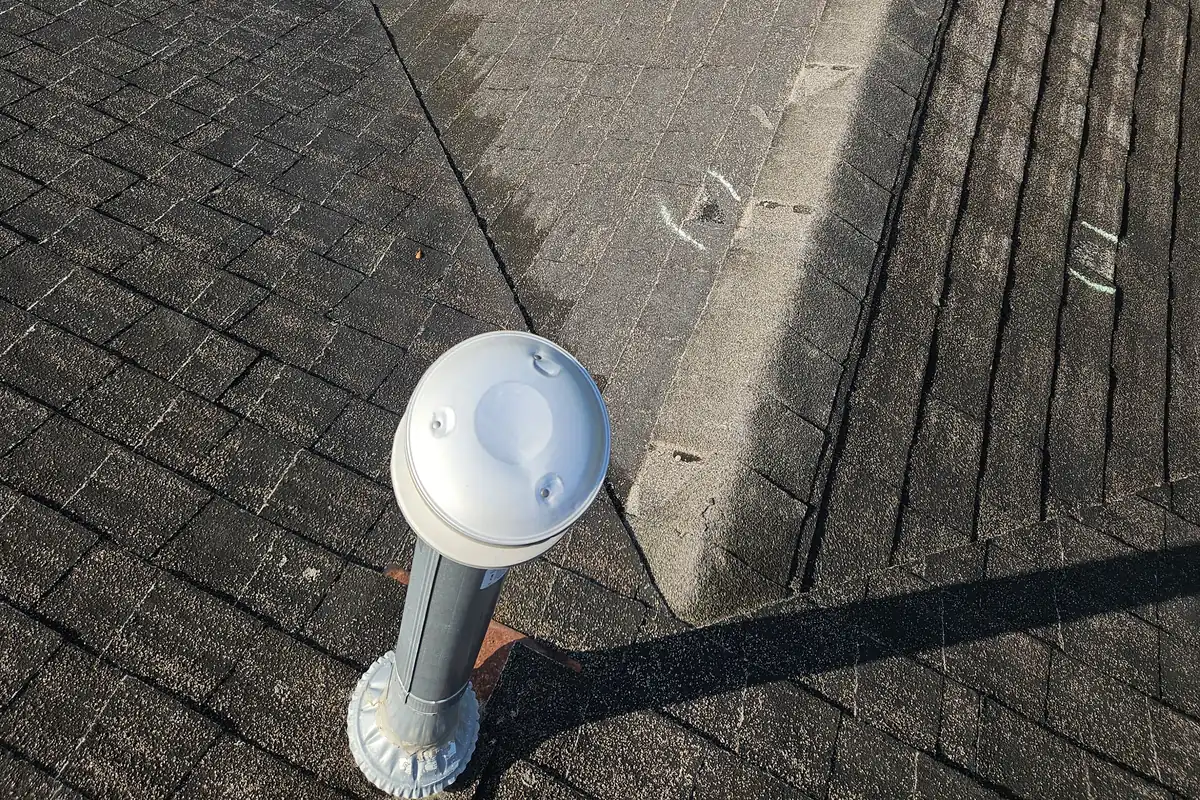
A missing or damaged shingle creates a visible concern, but the repair also involves the materials around it. Access, disturbed seals, fastening and compatibility all affect the work needed to integrate the replacement. Appearance and technical suitability are separate considerations.
An older product may not match a current product exactly in size, profile or color. The proposal should make the selected repair material understandable and identify the work area. A limited repair does not renew the entire roof, so compare it with your plans for the home and the surrounding covering's condition.
If the same interior location leaks again, the useful question is what remains unresolved. The entry point may have been misunderstood, a concealed connection may need more access, or the roof may have multiple issues. The history helps frame the investigation but does not establish which explanation applies.
Collect dates, photos and earlier work descriptions if available. A more complete repair may be appropriate when the previous work covered only part of the detail. A replacement assessment may be appropriate when the surrounding system is broadly deteriorated. The inspection page explains how observations become a practical next step.
The boundary of a repair is important. Materials need enough access and a suitable adjoining condition to reconnect the water-control layers. The visible defect can be smaller than the area that must be opened to perform the work.
The shingle field is the main area of overlapping roof covering. Repairing it can disturb neighboring shingles and seals, which need treatment consistent with the selected product instructions. A quantity of missing shingles alone does not describe the entire integration task.
Pipes, chimneys and sidewalls interrupt the covering. Their flashings must connect with the surrounding system so drainage continues across the transition. The estimate should distinguish replacing a deteriorated part from rebuilding an adjoining detail.
If the repair exposes damaged decking, the substrate needs its own scope. The deck and covering are separate layers, and concealed wood work should be documented and approved rather than assumed from an interior stain. The decking allowance guide explains this part of a proposal.
One estimate may address a single component while another includes adjoining materials, access and concealed-condition provisions. Roof slope, height and the location of the affected detail change the work involved. A short repair description can hide those differences.
Compare the location, cause being addressed, materials, surrounding work and exclusions before choosing on total alone. If one proposal includes interior work or a separate building, align that scope first. A written description makes it easier to understand the repair you are authorizing and how any additional work would be handled.
Baytown lists roof shingle replacement only among permit-exempt residential examples and roof decking work among permit-required work. That distinction matters when a limited repair uncovers a larger substrate problem. Requirements for another town or an unincorporated address can differ.
Where windstorm rules apply, a repair also needs the appropriate planning for the actual area and work. Do not treat a local permit exemption as a blanket exemption from every other requirement. See Baytown permit planning and the separate windstorm guide for the difference.
Suppose two hypothetical estimates concern water entering near a sidewall. One describes a surface sealant application. The other describes opening the affected junction and rebuilding the flashing connection. The second can involve adjoining roof materials because the connection sits within the assembly. The two totals describe different work, even if both estimates use the word repair.
Step flashing is the layered metal detail at a sloping roof-to-sidewall junction; counterflashing protects its upper connection to the wall. The repair method depends on the actual failed detail and the selected system. A description that identifies the component and explains the access is more useful than a promise to stop a leak without saying how.
Compare what will be exposed, what will be renewed and what remains in place. If opening the junction reveals damaged decking, the proposal should explain how the additional area is documented, priced and approved. That lets you assess the initial repair on its own scope while understanding how a concealed condition would change the work. A larger repair price is not automatically a better repair; the method must fit the finding.
Tell us where the property is, what is happening, when it occurs and which repairs have already been tried. Photos taken safely from the ground or indoors can help explain the change. If water is actively entering, call to discuss the situation and available service.
NewRoof Houston TX connects your request with Sure Claim Roofing LLC for a free, no-obligation roof inspection. A repair needs suitable surrounding materials; wider deterioration may make replacement worth considering. Start by understanding which condition applies to your roof. Call (281) 691-0552, daily from 8 a.m. to 8 p.m., or request an assessment.
No. An isolated problem can be repairable when surrounding materials remain suitable and the work can be integrated properly. The roof's overall condition and damage extent determine the decision.
The repair may need access to adjoining shingles, flashing or underlayment to reconnect the detail properly. The visible symptom can be smaller than the area needed to complete the work.
Appearance and compatibility depend on the existing and proposed products. Color and profile can differ, so the scope should identify the selected repair material rather than imply an exact visual match.
Dates, the affected room or roof area, safe photos and descriptions of previous repairs help establish the sequence. Describe when the symptom returns rather than guessing the entry point.
It can. Decking work is separate from replacing roof covering and can affect permits, materials and the approval process for additional work.
Yes. The inspection is a way to establish whether a localized repair or a broader scope fits the actual condition.
Start with your roof.
Request an inspection