
Choose the product category before the color
Start with the kind of roof you want to buy, then narrow the appearance. A color sample is useful, but it cannot explain the product's construction, rated performance or installation requirements.
Three-tab shingles have a regular tabbed appearance. Architectural shingles use a dimensional profile, and designer lines can offer more pronounced shapes or the appearance of other roofing materials. These categories organize the visual decision; the actual product documents establish the specifications.
GAF's shingle design guide describes three-tab, architectural and designer categories. Use those distinctions to compare actual options rather than treating a category as a universal lifespan, warranty or wind rating.
A practical shortlist begins with the roof assembly suitable for your property, the product families being proposed and the appearance you prefer. This keeps the conversation focused on choices that belong to the actual replacement scope.
Three-tab and architectural shingles look different on the roof
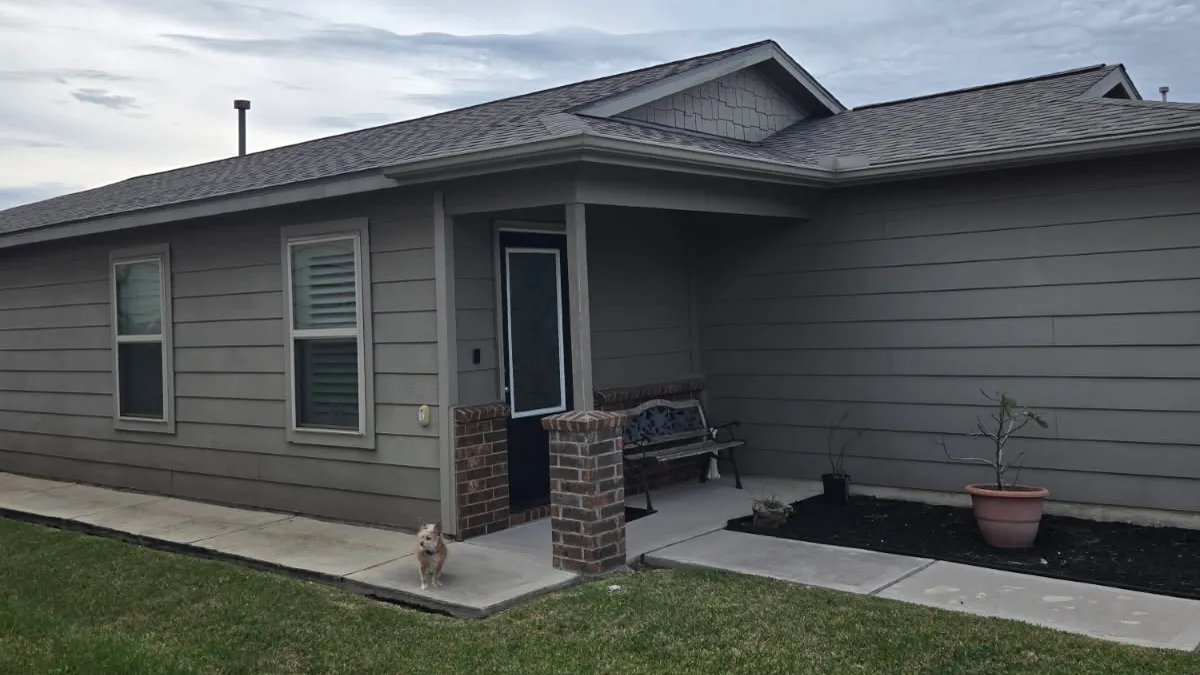
Three-tab and architectural shingles create different patterns across a roof plane. Three-tab products tend toward an even repeating layout. Architectural profiles create variation and shadow that can change how the roof reads from the street.
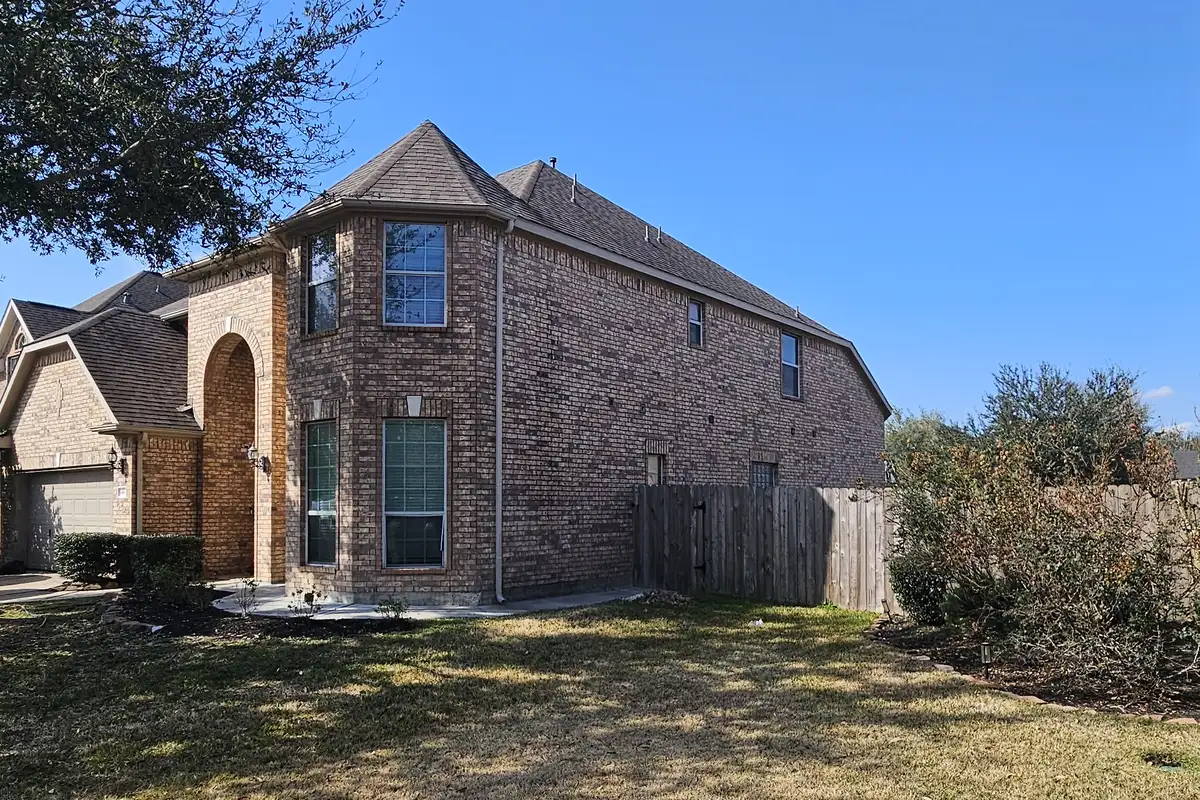
The effect depends partly on the house. A large, visible roof surface gives the pattern a different presence than a roof mostly hidden behind trees or a shallow viewing angle. Multiple gables and changing roof planes can also emphasize the profile differently.
Compare images showing a whole roof as well as individual samples. A small sample helps you see the material and color, while an installed example helps you judge the repeated pattern. Neither should be treated as proof that your roof will look identical under different lighting or alongside different exterior colors.
Do not select a category using a promised service life that is not tied to the actual product and terms. Condition, installation, exposure and maintenance affect a roof, and the warranty document is not a prediction of a fixed replacement year.
Designer appearance and impact resistance are separate choices
A designer shingle is primarily an appearance and product-family description. An impact rating describes performance under a specified test. A roof can have a dimensional look without the particular impact classification you want, and an impact-rated product still has its own visual style.
Keep these choices on separate lines in your comparison. Record the actual product name, appearance category, impact classification if relevant, wind information and coverage terms. This prevents “premium” from standing in for several different claims.
If your main reason for considering an upgrade is hail resistance, read what impact ratings mean. If the goal is a particular profile or exterior appearance, compare the actual samples and installed look. You can value both, but they should be clear parts of the decision.
The same principle applies to other advertised characteristics. A feature belongs to the identified product and its documents, not automatically to every shingle sold under the same manufacturer's name.
Read the exact product and system requirements
The complete product name matters. Manufacturers can offer several lines with different accessories, installation details and coverage options. A quote that lists only the brand leaves part of the choice unresolved.
Field shingles and their accessories
Starter strips, hip and ridge products, underlayment and other components belong in the comparison. A different field shingle may come with different compatible accessories or coverage conditions. Read the proposed assembly as a whole.
Ratings and installation conditions
A product rating and a warranty statement can have specific conditions. The relevant document should identify what the product is rated for and how the assembly must be installed. Avoid comparing a headline number from one product with a different type of claim from another.
Our roof components guide explains the parts of a replacement. It helps distinguish a genuine system change from a color change within the same proposed assembly.
Compare the color with fixed exterior materials
Your roof is viewed alongside brick, siding, trim, stone and landscaping. Begin with the exterior elements you expect to keep. A color that looks attractive by itself may create a different result against warm brick, cool siding or a strongly colored trim.
Review samples outdoors and from more than one viewing distance. Compare daylight and shade rather than relying only on an indoor display or a phone screen. If you use a digital visualization, treat it as a way to narrow choices rather than a guarantee of the finished color.
It helps to decide what role you want the roof to play. A quieter pattern may support a home with several exterior materials. A more pronounced dimensional profile may become a stronger part of the overall appearance. These are design preferences to compare, not universal rules about which home needs which shingle.
If an association or other applicable approval controls roof appearance, review that requirement before ordering. Keep the accepted product and color in writing with the estimate so the selection is not lost between the design discussion and material delivery.
Evaluate the upgrade without changing the base job
The clearest upgrade comparison keeps the removal, deck treatment, roof areas and transition work constant. Then it identifies the product, accessories or coverage that change with the alternate.
For example, imagine two proposals for the same roof: one uses an architectural product and another uses a different impact-rated product. If the second also changes flashing work or includes more decking, its total cannot be treated as the shingle upgrade alone. Separate those decisions so you can judge each on its own purpose.
A useful alternate identifies the exact product, related system changes, appearance and stated coverage. It also explains whether anything in the base scope changes. This gives you a specific purchase decision instead of an undefined choice between “standard” and “better.”
For the broader budget context, use the replacement cost guide. This page does not assign an upgrade premium because the property, product and installation scope determine the actual proposal.
Keep product selection separate from repair decisions
Choosing a new shingle does not decide whether the existing roof needs full replacement. A localized issue may call for a different scope when surrounding materials remain suitable. The condition assessment should come before committing to a replacement product package.
If full replacement is the right project, the product discussion can then address the entire roof rather than an isolated patch. That can make appearance and system choices easier to compare, but it still needs a clear scope for the deck and details beneath the visible covering.
If you are unsure whether the roof needs replacement, start with a roof inspection. If you are comparing products for an established replacement project, keep the options attached to one consistent written scope.
Make a two-option selection sheet
A useful selection sheet describes two actual alternatives on the same roof. Put the product name, color, appearance category, relevant test classifications, associated accessories and stated coverage on each side. Keep removal depth, roof boundary and deck treatment on a shared base line.
Then identify your reason for considering the second option. If it is appearance, compare the profile on a roof with a similar viewing angle and the sample against your exterior. If it is a tested characteristic, compare the exact classification and document. If it is coverage, read the actual package and qualification requirements.
This prevents a combined upgrade from hiding the decision. A more expensive option might change the field shingle, the ridge product and the coverage package together. You can still prefer it, but the choice becomes clearer when each change is named.
Resolve substitutions before they change the selection
The written agreement should identify how a proposed product or color substitution is handled. A similar-sounding line or a nearby color is not automatically the same selection. Review the actual proposed substitute against the reasons you chose the original option.
Keep the accepted product and color with the final scope. That gives the installation discussion and the closeout record a common reference. It also helps distinguish a documented selection from a sample that was only considered during the comparison.
You do not need a universal “best shingle” to make a sound choice. You need a suitable stated assembly and a product whose actual characteristics fit the reasons for your purchase.
Build a short, useful selection record
Before choosing, record the product family, color, important ratings, accessories, warranty package and any appearance approval. Keep copies or links to the actual product and coverage documents. This is a compact reference you can use to compare proposals and review the final project paperwork.
Then write down why the selected option fits your goal. The reason might be the preferred appearance, a documented performance characteristic or a particular coverage package. Naming the reason makes it easier to distinguish a valuable upgrade from a more expensive label.
To begin, request a roof estimate with your address and the options you want to compare. Include any existing quote or appearance requirement so the discussion can connect the product choice to the actual roof.