
Begin with the exact property and program
The Texas Department of Insurance identifies designated coastal catastrophe areas for its Windstorm Inspection Program. Chambers County is included. In Harris County, TDI identifies certain named cities east of State Highway 146, rather than all of the county or every Baytown mailing address.
The TDI program explanation names the applicable areas and describes the relationship to Texas Windstorm Insurance Association coverage. Use the actual address and proposed work when planning a project rather than deciding from a city name alone.
For a homeowner, the first useful distinction is whether the roof work needs to be planned within that program. Keep the property location, known insurance information and any existing certificates together. Those are better starting points than a general assumption that every roof in the Houston area follows the same process.
Understand what the certificate is for
A windstorm certificate is a compliance record connected to a defined improvement and the applicable program. It is different from the contractor's estimate, a product warranty or a local building permit.
TDI's homeowner inspection guidance distinguishes WPI-8 certificates for ongoing construction from WPI-8-E certificates for completed construction. It explains who can perform the relevant inspections and why planning during construction matters.
Keep the conclusion appropriately specific. A certificate should not be treated as a promise that every future loss will be covered or that an insurance claim will be paid. Policy eligibility and claim decisions involve their own terms and circumstances.
The useful roofing decision is to identify any applicable inspection and documentation path before the work starts. That lets the construction scope and the compliance process fit together rather than become separate problems afterward.
Plan inspections while relevant work is visible
Inspection timing is part of the project, not merely a document request at the end. TDI explains that its inspectors see work in progress; appointed engineers also have roles under the applicable process. Its inspection-process guidance describes notifying TDI and coordinating the required stages.
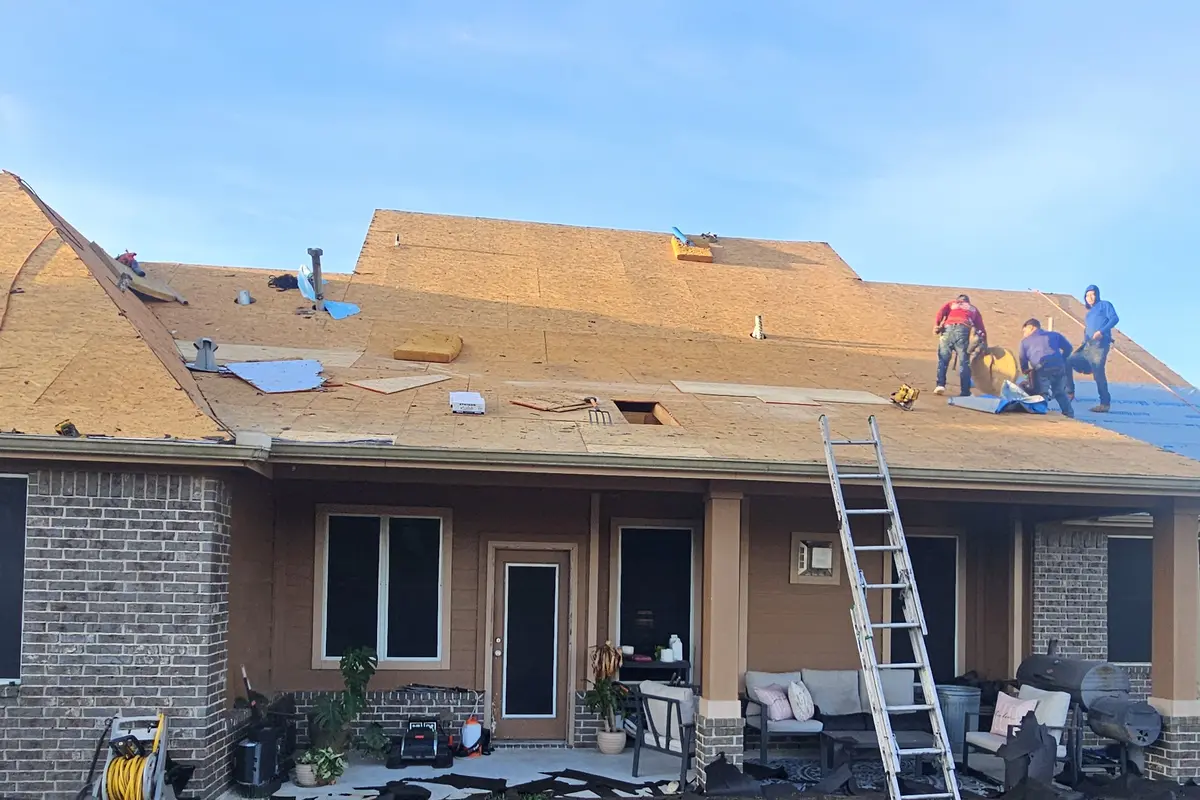
The practical reason is access to the work. A covered connection or concealed assembly is harder to assess directly after the next layer is installed. A project plan should therefore identify who coordinates inspection and how the installation sequence accommodates it.
For an illustrative planning case, imagine a replacement requiring an inspection of a stage before the covering proceeds. Material delivery, homeowner approval and inspection coordination must all account for that stage. Treating the inspection as something to arrange only after the roof looks finished would miss the dependency.
This does not establish a fixed inspection timetable for your roof. The appropriate process depends on the project, inspector and applicable requirements.
Separate the contractor, inspector and insurer roles
The contractor's proposal describes the roof work. The appropriate inspection process addresses compliance. The insurer applies the policy and eligibility rules. These roles can interact, but none should be assumed to replace the others.
In the written project plan, identify the person responsible for coordination and the records that will be supplied. Keep any inspection contact and application information with the estimate. This gives the homeowner a useful reference without requiring access to the active work area.
If a correction is required, it should be understood as a specific issue and a proposed remedy. Keep the condition, response and any approved scope change connected. The objective is a record that explains the actual work, rather than a loose promise of “windstorm paperwork.”
For material selection, do not confuse a shingle's wind rating with the property's compliance record. The product, installation assembly and documentation each answer a different part of the project question.
Keep older records and the new work scope together
An existing certificate can be useful history, but identify what work it covers. A prior record for the property does not automatically describe a later roof replacement or addition.
TDI provides a public certificate search. When reviewing records, check the address and the improvement description. Keep the relevant document with your new proposal so the discussion starts from the same property and history.
A sensible project file includes the agreed scope, approved changes, inspection-related records and the final applicable certificate or documentation. This helps during later maintenance, a future sale or an insurance discussion because the paperwork identifies the improvement rather than simply the property name.
If no record is immediately available, do not substitute a guess about the roof's status. Use the appropriate record search and actual project review to resolve the question.
Include coordination in the replacement decision
When requesting an estimate, provide the property address, the roof concern and any known windstorm or insurance documentation. That gives the roof discussion a concrete starting point.
Read the proposal for the removal method, deck treatment, product selection and the party responsible for applicable inspection coordination. Our roof quote comparison guide explains the broader scope questions. Our Baytown permit guide explains the separate distinction between shingle-only and deck work within city jurisdiction.
If the roof needs assessment before a replacement decision, start with a roof inspection. If you are ready to discuss the work, request an estimate and include the documents you already have.