
Can I use a Baytown permit exemption in Beach City?
No. Beach City has its own construction approval process. The actual jurisdiction and scope determine the applicable requirements.
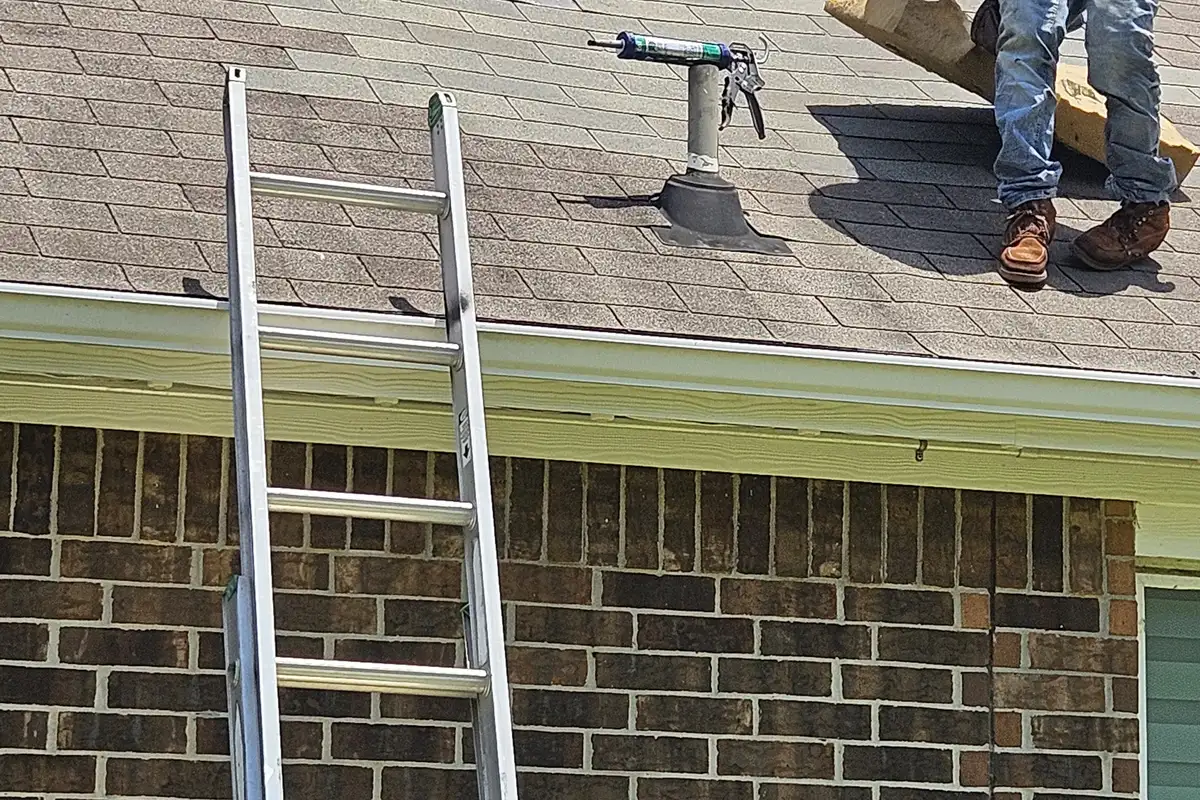
Roof replacement estimates in Beach City should cover your roof's condition, the materials and the local approval steps that apply to your home. Request a free inspection to compare repair and replacement before choosing the work.
Beach City sits along the western shore of Trinity Bay in Chambers County and has its own municipal boundaries, as the city's history describes. Use your actual property location when planning roof work so the permit and inspection questions go to the right authority.
For the roof itself, look at the existing covering, slope, connections between roof sections and the wood underneath. Those details determine what needs work. A home beside the bay still needs its own assessment; the setting alone doesn't tell you which roofing product to buy or whether replacement is necessary. The estimate should explain the proposed materials, how they fit your roof and which requirements apply.
The city's current construction notice says improvements and construction need an approved permit before work begins. The project should be described accurately when its approval path is established. Do not import Baytown's shingle-only exemption into a Beach City proposal.
Work that includes decking or structural components needs to be distinguished from covering-only work. The agreement should identify responsibility for the relevant applications and inspections alongside the roofing tasks. Clear planning avoids treating paperwork as an item to resolve after the materials have already been installed.
Chambers County is included in the designated windstorm area listed by the Texas Department of Insurance. The actual property, work and applicable insurance requirements determine the certification questions. Establishing the inspection path early helps align the documentation with construction.
A certificate is not a substitute for a complete work scope, and neither document guarantees an insurer's claim decision. Keep the responsibilities separate: the agreement describes what will be installed; applicable approvals and inspections establish their own requirements; insurance coverage follows the policy process. The windstorm guide explains those distinctions.
Identify the main house, garage, porch and any separate roofed structure you want considered. A proposal that includes only one of those areas is not equivalent to a whole-property proposal. Different slopes or additions can also require different details within one project.
The condition of concealed decking can become clearer during tear-off. The estimate should explain how necessary additional work will be described and approved, rather than hiding it behind an undefined allowance. Read decking allowances and quote comparison before reducing the choice to a single total.
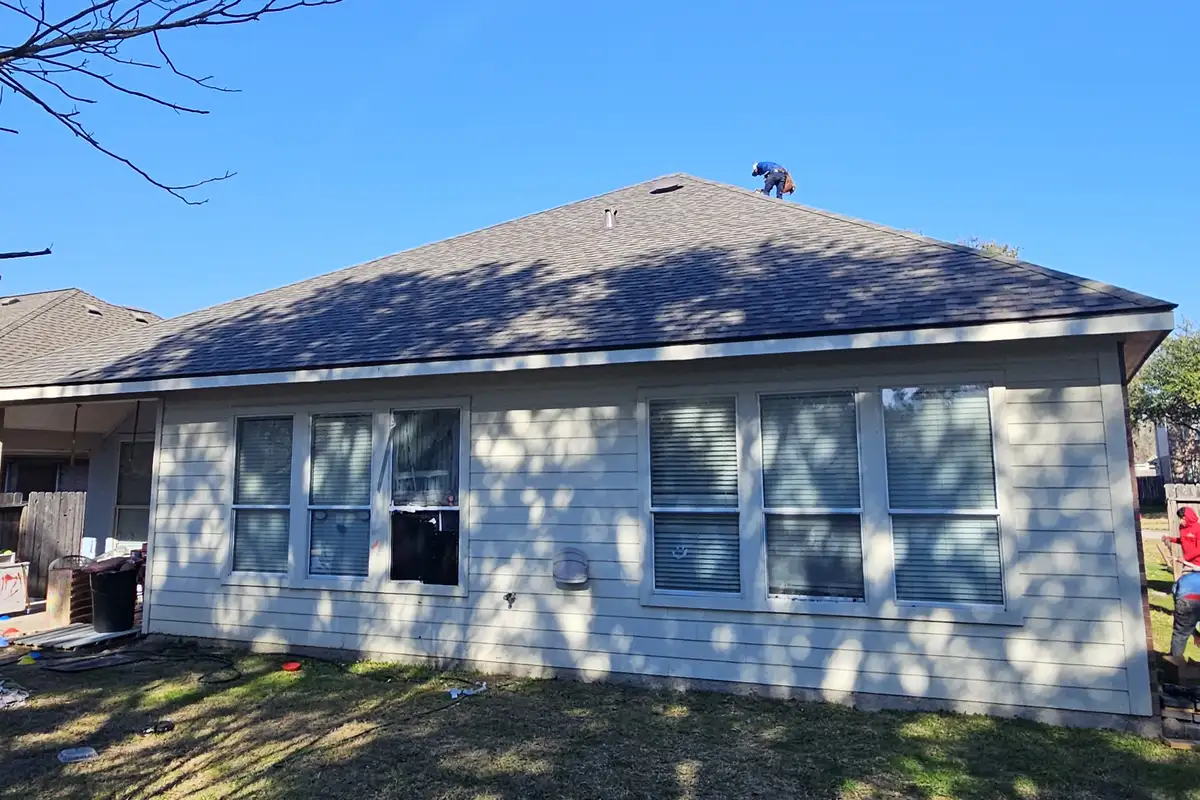
A roofing system has to manage water beyond the main field of covering. Wall connections, penetrations, valleys and roof edges each involve transitions. Their construction details and material compatibility belong in the scope, particularly when an estimate proposes retaining some existing parts.
Flashing and adjoining materials need to work as a connection. A surface application does not by itself describe the underlying detail or determine why an area leaked. Compare which components are being renewed and how the surrounding roof work is included. Our component guide puts these less visible tasks into context.
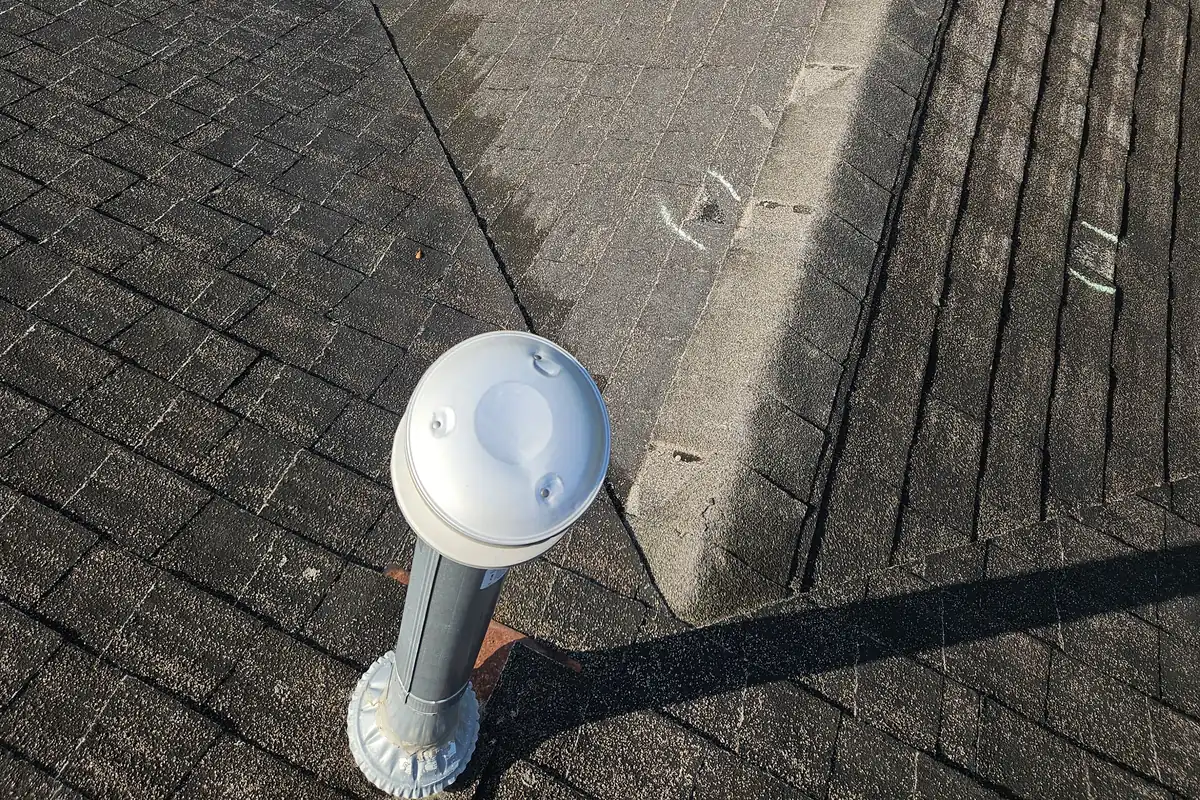
A material's appearance, test rating and warranty are different attributes. A heavier-looking shingle is not a substitute for its actual product information. Similarly, an impact rating does not mean a roof cannot be damaged by a real storm.
The assembly and written terms matter as much as the sample. Compare the selected product, accessories, installation details and who provides the relevant warranty. A manufacturer material warranty and contractor workmanship coverage address different risks. Read the warranty guide to see what belongs in that comparison.
Beach City's setting on Trinity Bay and local places such as McCollum Park give the community its own identity within the wider Baytown area. Beach City is a separate municipality in Chambers County along the western shore of the bay.
If you're planning roof work at your Beach City home, include every area you want assessed, from the main house to a porch or separate garage. Mention any earlier repair or temporary protection, what changed and where you've noticed the problem. Access around the house and the connections between roof areas belong in the estimate alongside the materials.
If the concern is limited, an inspection can establish whether repair is a sensible route. If deterioration or damage is broader, replacement can be considered as a complete system rather than a series of patches. The findings should explain the difference.
You can prepare by gathering safe photos, approximate roof age and any existing proposal. Stay off the roof to collect information. Read the inspection description if you want help organizing the concern, or the replacement scope if you are already planning the larger project.
Send your location, contact details and the problem or project you're considering through the estimate request. Include a garage, porch or separate roof area if you want it assessed. Earlier repair details are useful if you have them, but you don't need them to start.
Your NewRoof Houston TX request goes to Sure Claim Roofing LLC for a free, no-obligation roof inspection. Start with the condition of the roof, then compare the proposed work and local planning steps before approving a replacement. Call (281) 691-0552, daily from 8 a.m. to 8 p.m., to describe the project by phone.
No. Beach City has its own construction approval process. The actual jurisdiction and scope determine the applicable requirements.
Beach City is in Chambers County, a designated windstorm area. The property and work determine the applicable inspection and certification questions.
No. The scope defines the roof areas, materials and work. Certification and local approvals serve separate purposes.
Yes. Identify every roof area you want considered so the estimate can state what is included and what is excluded.
It may be repairable when the surrounding roof is suitable and the work can be integrated correctly. A condition assessment helps distinguish that scope from full replacement.
Start with your roof.
Request an inspection